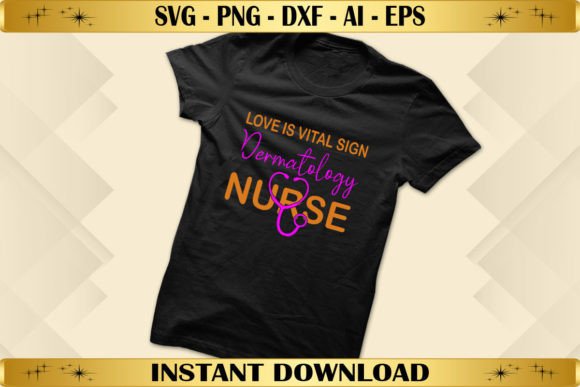
Review: Love is Vital Sign Dermatology Nurse Design
As a designer who spends half my life digitizing and the other half stitching, I have learned that not every graphic translates well to thread. When I first pulled up the Love is Vital Sign Dermatology Nurse design, I was looking for more than just a cute phrase. I needed to know if this asset would hold up under the needle, maintain legibility on textured fabrics, and deliver the professional finish my clients expect. This review breaks down how this specific graphic performs in real-world embroidery scenarios, moving beyond the digital preview to the tactile reality of a finished product.
First Impressions and Visual Personality
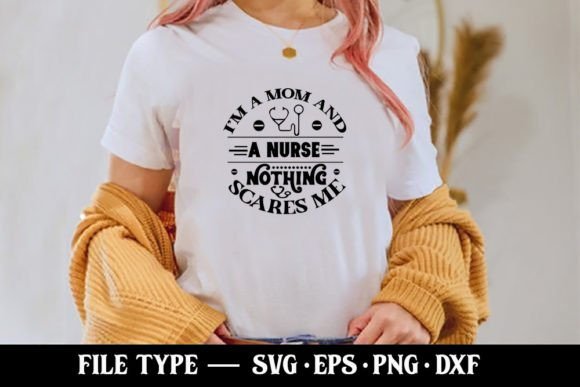
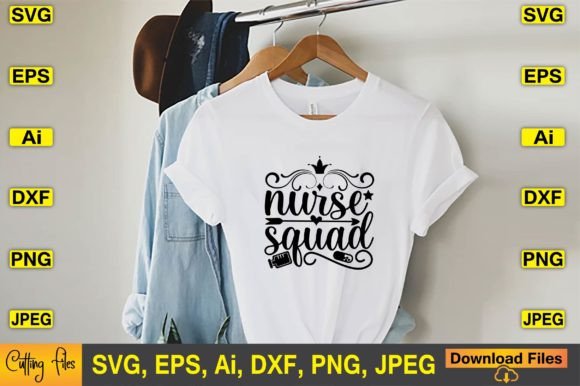
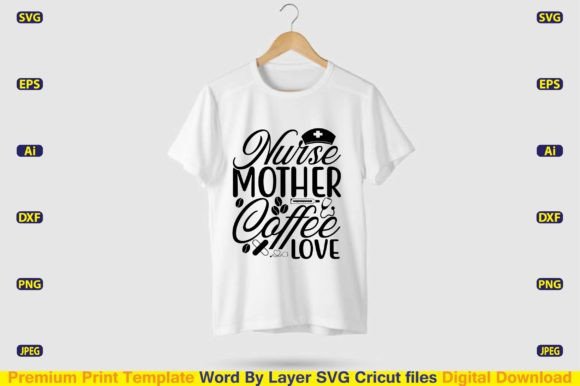
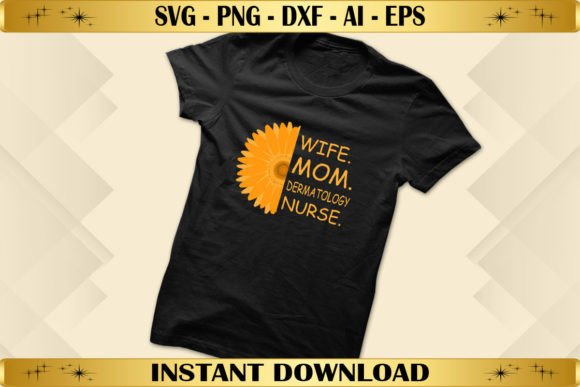
The immediate mood of this design is warm, professional, and deeply personal. It bridges the gap between clinical expertise and human compassion, which is exactly what healthcare professionals want to convey. Visually, the layout feels balanced. The integration of the heart motif with the text suggests a thoughtful composition rather than a generic clip-art assembly. For those of us working in T-Shirt Designs or custom apparel, this balance is critical. If the elements are too cluttered, the stitch definition gets lost. If they are too sparse, the design lacks impact.
From a reviewer’s standpoint, the clean lines suggest that this file was created with vector precision. Since you receive an SVG, AI, EPS, DXF, and PNG, the versatility is high. However, for embroidery, the SVG and vector files are your best friends. They allow you to inspect the paths before sending them to your digitizing software or using them as a base for applique. The visual personality here is soft yet authoritative, making it ideal for items that need to feel comforting, such as baby items or patient care accessories.
Real-World Application: The Custom Sweatshirt Test
To truly evaluate Love is Vital Sign Dermatology Nurse, I imagined a specific project: a high-quality fleece sweatshirt for a dermatology nurse practitioner. This is a common request in my shop, especially during the colder months. The challenge with fleece is its texture. A design with too much fine detail can get swallowed by the pile of the fabric.
In this scenario, the design’s boldness works in its favor. The primary shapes are substantial enough to stand out against a heather grey or navy background. If I were producing this as a handmade product, I would likely opt for a satin stitch border around the text to create a crisp edge, preventing the fabric from bleeding into the letters. The result is a piece of custom apparel that looks boutique-made rather than mass-produced. It elevates the wearer’s uniform into a statement of pride.
Beyond sweatshirts, this design shines on tote bags. A canvas tote with this embroidery makes for an excellent personalized gift or a practical work bag for medical professionals. The flat surface of a tote allows for larger hoop sizes, giving the design room to breathe. It becomes a functional piece of small shop product inventory that appeals to a niche audience who rarely finds gear specific to their specialty.
Considerations for Challenging Fabrics
While the design is versatile, there are areas where caution is required. If you are planning to use this on a cap or a curved surface, you must consider the distortion. The text needs to remain horizontal and readable. On a structured cap, this might require adjusting the pull compensation in your digitizing software to prevent the letters from bunching. Similarly, on stretchy fabrics like performance tees, the stitch density becomes a major factor. If the original graphic is dense, it could cause puckering. Always test on scrap fabric first.
Dark fabrics present another hurdle. If you are stitching white thread on black cotton, the contrast is high, but any gaps in the stitching will show the background. For these projects, I recommend using a higher density fill or adding an underlay stitch to ensure opacity. This attention to detail separates a hobbyist attempt from a professional embroidery project.
Technical Workflow and File Utility
One of the strongest aspects of this package is the file variety. Receiving a zip folder with SVG, PNG, DXF, AI, and EPS means you are covered for both cutting machines and embroidery digitizing. For the Etsy seller or craft business owner, this flexibility is invaluable. You can use the PNG for printable mockups on your listing photos, giving customers a realistic view of the finished product before they buy.
However, it is crucial to note that these are print-ready graphics, not native embroidery files like PES or DST. This means you cannot simply plug them into your machine. You must either digitize them yourself or hire a digitizer. This step is where your expertise adds value. By controlling the stitch type—choosing between a smooth satin stitch for borders and a textured fill stitch for larger areas—you customize the look. This control ensures that the embroidery file output matches the quality of the source graphic.
For those creating an embroidered patch, this design is particularly suitable. Patches often require dense stitching to prevent fraying and provide durability. The compact nature of the logo fits well within standard circular or rectangular patch hoops. It becomes a collectible item for medical staff, adding to the brand consistency of a hospital team or clinic.
Commercial Viability and Buyer Engagement
From a business perspective, niche-specific designs drive sales. General "nurse" designs are saturated, but "Dermatology Nurse" targets a specific demographic. This specificity increases buyer engagement because the customer feels seen. When I list such items in my online store, they tend to have higher conversion rates because they serve as perfect holiday embroidery gifts or graduation presents for nursing students specializing in skin care.
The design also supports commercial embroidery projects for clinics looking to brand their staff uniforms. It projects professionalism and warmth, enhancing customer trust. Patients respond positively to staff who wear personalized, high-quality attire. It humanizes the clinical environment.
Final Designer Notes
- Stabilizer Choice: Use a cut-away stabilizer for stretchy fabrics like t-shirts to prevent distortion over time. For woven fabrics like tote bags, a tear-away may suffice.
- Thread Colors: Test high-contrast combinations. Red and pink threads work naturally with the heart theme, but consider medical blues or greens for a subtle, professional look.
- Scale Testing: Before committing to a large run, stitch one sample at the intended size. Check for thread breaks in tight corners and ensure small details are not lost.
- Licensing Check: Always confirm the license terms provided with the download. Ensure you have the right to sell physical items made with this design if you are running a craft business.
- Mockup Verification: Use the included PNG to create digital mockups. Place the design on various garment colors to visualize the final appeal before stitching.
In conclusion, Love is Vital Sign Dermatology Nurse is a strong candidate for your next design assets library. It offers emotional resonance, visual clarity, and commercial potential. With proper digitizing and material selection, it transforms from a simple graphic into a cherished personalized gift or a staple of your small shop product line. Treat it with the technical respect it deserves, and it will deliver results that satisfy both you and your customers.